

Termite Protection for Timber Structures: Comprehensive Guide
Preventing Termite Damage to Valuable Timber
The warm weather across Australia allows termites to thrive because it creates perfect living conditions. The defense of wooden structures against termite invasions proves vital because it protects their enduring stability and complete construction framework. The team at Auswood Timber & Hardware offers advice about how to protect timber structures.
Understanding Termite Threats
Termites cause an estimated $780 million annual damage to Australian properties. The absence of defense mechanisms in timber structures leads to fast deterioration which creates dangerous risks for complete building collapse.
Types of Australian Termites
Subterranean Termites (Most Common)
-
Build underground colonies
-
Travel through mud tubes
-
Attack wooden structures
-
Require soil moisture
Drywood Termites
-
Establish colonies within timber
-
Don't require soil contact
-
Cause hidden damage
-
Difficult to detect early
Dampwood Termites
-
Attracted to moisture-damaged timber
-
Build internal galleries
-
Require high moisture levels
-
Prevention Strategies
Material Selection
Hardwoods with natural pest resistance offer inherent protection:
-
Spotted gum
-
Merbau
-
Ironbark
-
Australian cedar
Chemical Protection
Quality timber treatments create effective barriers:
-
Arsenic-based treatments (traditional)
-
Copper-based treatments (modern)
-
Boron treatments (eco-friendly alternative)
-
Professional application essential
Physical Barriers
Structural designs prevent termite access:
-
Adequate clearance between soil and timber
-
Concrete footings separating timber from ground
-
Metal shields on posts and beams
-
Sealed penetrations and gaps
Inspection and Detection
Regular Inspections
Quarterly visual inspections identify early attack:
-
Check for mud tubes
-
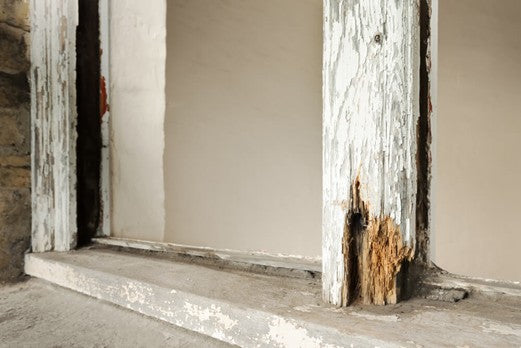
Look for damaged surface wood
-
Examine concealed areas
-
Monitor structural connections
Professional Pest Inspections
Annual professional inspections provide comprehensive assessment:
-
Thermal imaging detects hidden galleries
-
Moisture monitoring identifies risk areas
-
Early detection enables effective treatment
Treatment Options
Localised Treatment
Small affected areas receive targeted treatment preventing spread.
Perimeter Treatment
Soil treatment creates chemical barriers around structures.
Timber Treatment
Direct timber treatment kills termites and prevents reinfection.
Professional Application
Pest control specialists apply treatments ensuring effectiveness and safety.
Building Design for Termite Prevention
Ventilation
Adequate airflow under structures reduces moisture attracting termites.
Drainage
Proper grading and drainage prevent water accumulation near foundations.
Moisture Management
Gutters, downpipes, and proper drainage essential for protection.
Material Specifications
Using treated and natural-resistance timber in vulnerable areas.
Maintenance Practices
Ongoing Protection
-
The chemical barriers continue to function properly.
-
Moisture levels require continuous monitoring.
-
Remove wood debris from foundation areas
-
Trim vegetation contacting structures
-
Address water leaks promptly
Insurance Implications
Multiple insurance contracts demand the following requirements:
-
Professional pest inspections
-
Chemical treatment maintenance
-
Adequate ventilation provisions
-
Regular monitoring records
Failure to maintain protection can void coverage.
Environmental Considerations
Sustainable Options:
-
Boron-based treatments (low toxicity)
-
Natural-resistance timber selection
-
Physical barrier optimization
-
Integrated pest management
Common Mistakes
Inadequate Treatment
DIY treatments often prove insufficient for effective protection.
Ignoring Early Signs
Doctors can treat patients who show early warning signs with simple procedures, but they must perform complex surgical procedures when patients reach the hospital at later stages.
Poor Material Selection
Using untreated timber in termite-prone areas invites infestation.
Neglecting Maintenance
Failing to maintain protective measures compromises long-term protection.
When to Call Professionals
Professional pest control specialists should handle:
-
Significant infestations
-
Chemical barrier installation
-
Structural treatment applications
-
Ongoing monitoring programs
Protecting Your Investment
The team at Auswood Timber & Hardware suggests property owners should hire experts for pest control because they will defend their timber buildings. Our South East Melbourne team can recommend appropriate materials and treatment protocols.
Call 0499 325 250 for termite protection consultation or email sales@auswoodtimber.com.au