

How to Stop Timber Rot in Outdoor Timber Structures
Outdoor timber maintenance matters in Clyde and Clyde North because decks, fences and pergolas cope with rain, splashback and trapped leaf litter right through the year. Auswood Timber & Hardware Pty Ltd works with homeowners, renovators and tradies across South-East Melbourne who want timber that lasts and still looks sharp. If you are planning a new build or fixing an ageing structure, get in touch before you buy so the right boards, posts and coatings are chosen early.
Stop Wood Rot By Spotting Moisture Traps
Rot starts when timber stays damp long enough for fungi to feed on the fibres. Wet rot is the usual problem outside, especially on decks, fence posts and pergolas where water sits against the surface. Dry rot is less common in open air but can still appear in sheltered spots once moisture gets in. Poor drainage, clogged board gaps, unsealed cut ends and timber pushed hard against soil all give decay a head start after a run of cold, wet weather.
What Early Rot Looks And Feels Like
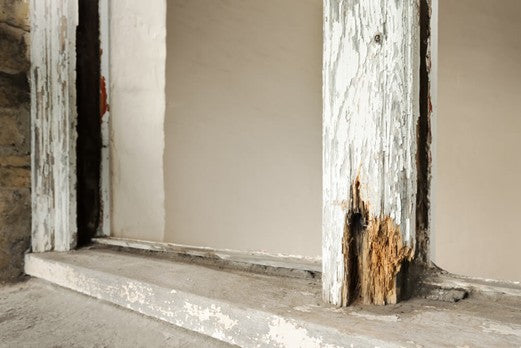
Early damage can be easy to miss because the outer face may still look decent from a few steps back. Check for dark staining, a soft or spongy feel, cracking across the grain and a musty smell after rain. Push a screwdriver gently into suspect areas around joints, post bases, stairs and places where leaves pile up. Timber that flakes, sinks under light pressure or stays damp longer than nearby boards needs attention before the damage spreads.
When Timber Rot Repair Is Enough
Small affected areas can often be cleaned out, treated with a fungicide and patched once the surrounding timber is dry and still sound. That approach suits trim, handrails and localised board damage where the decay has not reached fixings or structural members. Posts, joists and bearers are different. If the timber crushes easily, movement is obvious, or the damage runs deep along the grain, replacement is the safer option and usually cheaper than chasing repeat fixes later.
Choosing Timber That Can Handle Weather
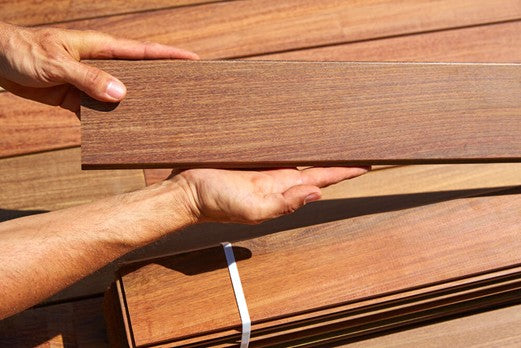
Outdoor jobs need timber picked for exposure, not just price. Treated pine is a solid option for framing, substructures and fencing, while durable hardwoods suit visible areas where appearance counts. Cheap untreated boards often fail early once rain, soil contact, and sunlight start to work on them. It also pays to match the coating to the product, because a deck oil, stain or sealer needs to suit the timber species and the amount of weather the area cops.
Installation Details That Matter Outdoors
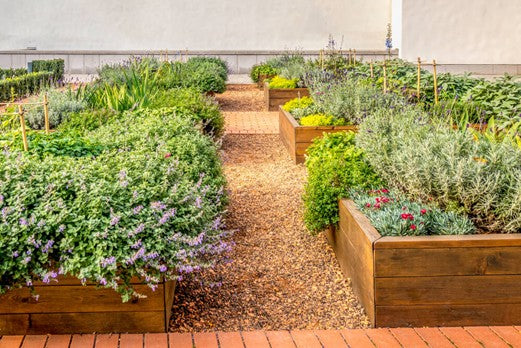
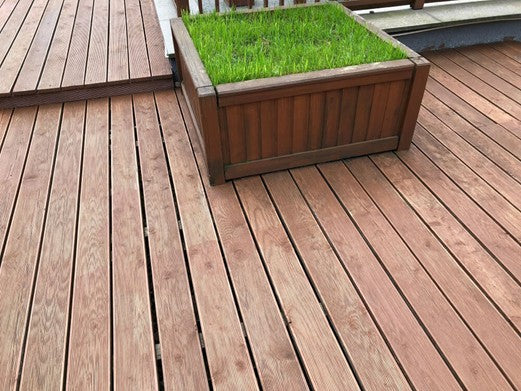
Prevent timber rot by keeping posts, joists and cladding clear of constant moisture. Posts should sit on stirrups or concrete footings rather than straight in the soil, deck boards need room between them so water can run off and air can move through, and cut ends should be sealed as soon as they are trimmed. Garden beds should stay below the timber line, and paving should fall away from the structure so water drains off instead of pooling beside it.
Cleaning, Coatings and Simple Checks
Stop wood rot with a maintenance routine that fits the site. Sweep off leaf litter, wash away dirt that holds moisture and recoat exposed timber every 12 to 24 months with a product suited to the board and the level of sun. Check after heavy rain for blocked drainage, loose fasteners and places where sprinklers hit the same spot day after day. A lot of rot starts with small neglect hidden beside a post, under a step or behind dense planting.
Ask About Timber Rot Repair Options
Outdoor timber maintenance advice is available from the team at Auswood Timber & Hardware Pty Ltd. Call 03 8732 0735 or contact us for a quote on decking, fencing and replacement timber.