

Pine Or Hardwood: Which Sleeper Timber Lasts Longer
Picking sleeper timber sounds simple until drainage, soil pressure and budget start pulling in different directions. At Auswood Timber & Hardware Pty Ltd in Clyde, many customers ask whether hardwood sleepers are worth the extra spend for garden walls and edging. That choice shows up later in movement, rot and replacement cost. If you are planning a job in South-East Melbourne, talk with the team before you buy, because the wrong board in wet ground can age fast.
The Lifespan of Pine and Hardwood Walls
Pine and hardwood fail in different ways, so lifespan comes down to timber grade, soil contact and drainage as much as price. H4 pine is made for in-ground use, and H5 suits heavier retaining work, yet both still depend on solid drainage and resealed cuts. Dense Australian hardwood can sit in the ground for decades when it is Class 1 or Class 2, but sapwood, poor compaction and trapped water will shorten its run. If the wall is holding back damp clay, thickness matters almost as much as species.
Landscaping Timber Options for Wet and Dry Sites
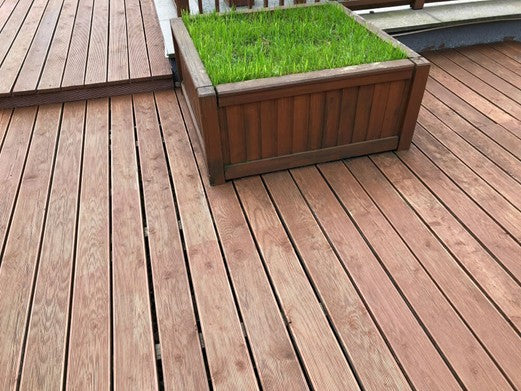
Wet sites sort materials out quickly. Constant moisture, sprinkler overspray and soil packed hard against the face will age cheaper stock far sooner than the label suggests. Dry garden edging is far less demanding, so a modest product often works well there. Appearance shifts the decision, too. Pine starts pale and even, then silvers off in the weather. Hardwood usually has more colour movement and grain, which suits exposed feature beds, steps and raised planters near entertaining areas.
Cost, Upkeep and What Usually Fails First
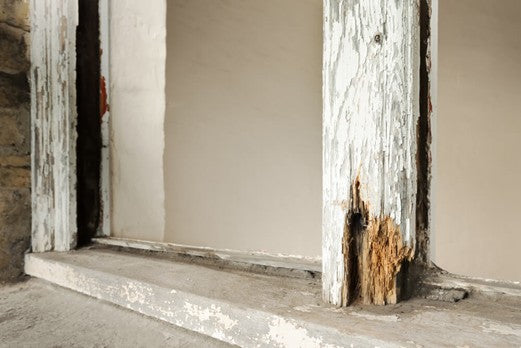
Treated pine sleepers are usually the cheapest buy at the yard, and that matters when a project needs dozens of lengths. They are easy to cut, easier on tools and simple to replace if one section gets damaged. The trade-off is upkeep. Any fresh cut should be resealed, drainage behind walls should stay clear, and soil should not sit over the top edge. When pine fails, it is often at cut ends, around fasteners or where water keeps sitting instead of draining away.
Where Each Material Makes Sense
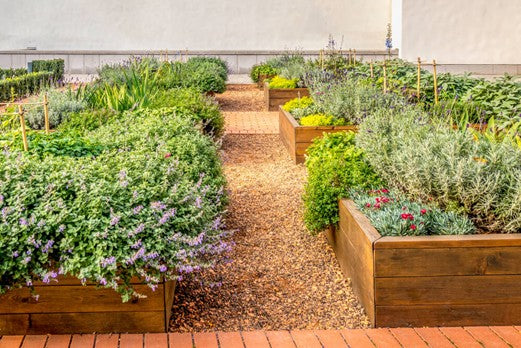
Among local landscaping timber options, pine suits veggie beds, simple edging, short retaining walls and jobs where budget is tight but the look still matters. Hardwood suits heavier walls, high-traffic steps and projects where the sleeper face stays visible year after year. If you want the longest run with less fuss, hardwood usually wins on lifespan. If you want decent service life at a lower entry price, treated pine is the practical call.
So Which One Lasts Longer?
On raw durability, hardwood is ahead. Good Class 1 material in the right site can outlast pine by many years, especially in wet ground or structural retaining work. Pine still makes sense when the job is lighter, access is awkward, or the budget has to stretch across decking, fencing and paving as well. The smart pick is the one that matches the load, drainage and finish you actually need, not the one that sounds toughest on paper.
Ask Us About Hardwood Sleepers
Call 0499 325 250 or contact us online for a practical Timber sleepers comparison based on your soil, wall height and budget.